Rising or stable pressure usually calls for slower bait work. A falling barometer can make catfish roam, especially near evening.
Southern California catfish and trout notes
Fish the lakes smarter
Simple lake reads, weather and barometer cues, knot diagrams, and rig notes for anglers who want to spend less time guessing and more time fishing.
What to check before you cast
Keep it practical. A good lake day starts with a few fast checks, not a pile of random gear.
Wind pushes food, scent, and warmer surface water. On stocked lakes, fish the wind-blown bank when it is safe.
Clear water favors thinner leader, smaller hooks, and cleaner bait placement. Stained water lets scent and sound do more work.
Always check the lake page before driving. A recent plant changes where people line up, what bait gets used, and how pressured fish act.
Lake guide
A short list of Southern California waters worth tracking for catfish, trout, family trips, and test days for Snizzle rigs.
Santa Ana River Lakes
Strong fit for Snizzle testing: pay lake, stocked fish, night sessions, and anglers who understand bait rigs.
Check SARL updatesLake Jennings
Good education lake. It publishes stocking notes and has catfish and trout windows, plus bass and panfish.
Check Jennings fishingLake Poway
Easy public-facing lake with permits, trout limits, catfish reports, shore access, and boat options.
Check Poway rulesGlen Helen
Two-lake regional park. Trout in cooler months, catfish in warmer months, and a useful place to test hook sizes.
Check Glen HelenPrado Regional Park
Large park lake with seasonal plants and room to compare bottom rigs, float rigs, and scent-heavy baits.
Check PradoCucamonga-Guasti
Small-water pressure makes it useful for testing lighter leader, bead sound, bait height, and hook exposure.
Check GuastiFive knots worth knowing
Real knots, real references. These cards keep the useful knot examples right on the page.
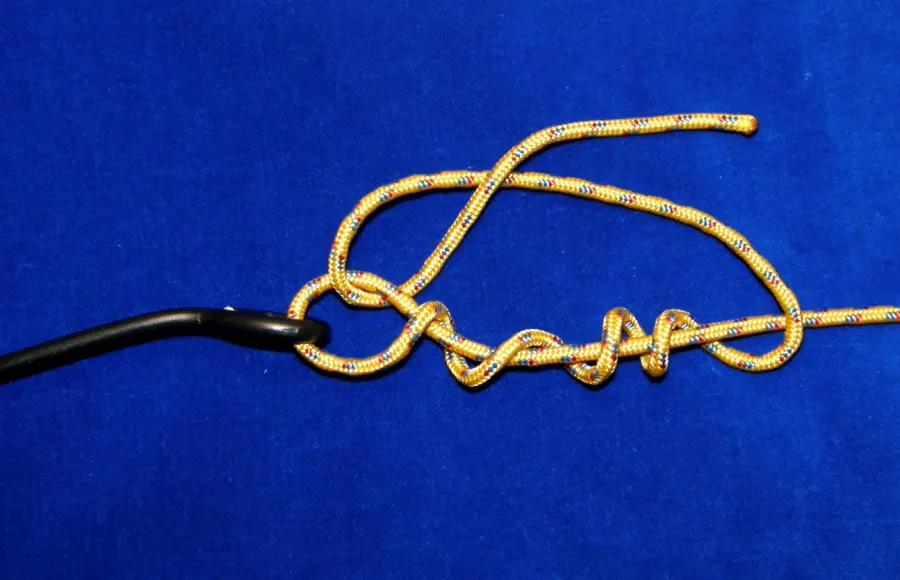
Improved clinch
Good everyday knot for hooks, swivels, and lures when using mono or fluorocarbon. Easy to learn and fast at the lake.
- Pass the line through the hook eye.
- Make several wraps around the standing line.
- Feed the tag back through the loop, wet it, pull tight, and trim.
Image reference: Wikimedia Commons, StromBer, CC BY-SA.
Palomar
Strong, simple, and popular for hooks or swivels when the doubled line fits through the eye.
- Double the line and pass the loop through the eye.
- Tie a loose overhand knot with the doubled line.
- Pass the hook through the loop, wet it, pull both lines even, and trim.
Image reference: Wikimedia Commons, Vaughan Pratt.
Uni knot
A versatile knot for hooks, swivels, and leader work. Worth learning because it does many jobs.
- Run the line through the eye and lay it beside the standing line.
- Form a loop and wrap the tag around both lines.
- Wet, pull the wraps tight, slide the knot into place, and trim.
Image reference: Wikimedia Commons.
Snell
Best fit for the Snizzle circle-hook direction because the pull lines up with the hook shank.
- Pass the leader through the hook eye and lay it along the shank.
- Wrap the tag end around the shank and leader.
- Pull the standing line to seat the wraps, wet it, and trim the tag.
Image reference: Wikimedia Commons, CC BY-SA.
Dropper loop
Useful when you want a loop standing off the main line for bait height or multi-hook rigging.
- Form a loop in the middle of the line.
- Twist the overlap several times.
- Pass the loop through the center twist, wet it, and tighten evenly.
Image reference: Wikimedia Commons / Freshwater and Marine Image Bank.
Snizzle rig lab
This is the product direction: less bulky, better bite mechanics, and a leader that does not make pressured fish back off.
Circle hooks, lighter leader, better presentation
You are right to question thick line. For pressured stocked lakes, the rig should look natural but still handle a real cat.
- Hook pack: circle hooks in #2, #3, and #4 so anglers can step bait size up or down.
- Leader: test 12 lb and 14 lb fluorocarbon first; keep a heavier option only for rough bottom or trophy cats.
- Leader length: test 12 in, 18 in, and 24 in. Shorter for control, longer when fish are line-shy.
- Hardware: small black swivel, glass bead click, and low-profile stop. Nothing oversized unless it has a job.
- Packaging: explain when to use #2, #3, and #4 instead of making people guess.
Useful checks
Before a trip, verify permits, stocking, hours, and lake rules. These change, and the fish do not care what last week said.
Live condition feed
The condition panel uses Open-Meteo weather data with no API key. If it fails, the site keeps the basic fishing guidance visible.
Open-Meteo docsStocking windows
San Bernardino County parks commonly list trout in cooler months and catfish in warmer months, with license and permit notes.
County fishing pageRules beat rumors
Use each lake’s own page for the final call on hours, bait restrictions, stocking, catch limits, and entry fees.
Jump to lake guide